

Every California homeowner has felt it: the renewal that doubled, the non-renewal letter, the FAIR Plan quote, the neighbor who can’t find coverage at all. It didn’t happen overnight. California’s home insurance crisis was built fire by fire, starting in October 2017.
This is the story of how we got here, from the Tubbs and Camp fires to the Palisades and Eaton fires, what the market looks like today, and why it now feels like two different markets: a hard new normal in the wildland-urban interface and a flatter, steadier market in many suburban neighborhoods.
Part 1: The fires that changed everything
Before 2017, the most destructive wildfire in California history was the 1991 Oakland Hills fire. Then came a run of disasters no one had modeled for:
| Fire | When | Where | Impact |
|---|---|---|---|
| Tubbs | Oct 2017 | Napa and Sonoma | 5,636 structures destroyed; 22 deaths |
| Thomas | Dec 2017 | Ventura and Santa Barbara | About 1,063 structures destroyed |
| Carr | Jul 2018 | Shasta and Trinity | 1,614 structures destroyed; 8 deaths |
| Mendocino Complex | Jul 2018 | Mendocino and Lake | About 459,000 acres, then the largest on record |
| Camp | Nov 2018 | Butte (Paradise) | 18,804 structures destroyed; 85 deaths; the most destructive in state history |
| Woolsey | Nov 2018 | Ventura and Los Angeles | 1,643 structures destroyed |
| Kincade | Oct 2019 | Sonoma | About 374 structures destroyed |
| August Complex | Aug 2020 | Mendocino, Humboldt and others | Over 1 million acres, the first “gigafire” |
| North Complex | Aug 2020 | Butte, Plumas and Yuba | 2,352 structures destroyed; 15 deaths |
| Creek | Sep 2020 | Fresno and Madera | About 380,000 acres; about 853 structures destroyed |
| Glass | Sep 2020 | Napa and Sonoma | 1,520 structures destroyed |
| Dixie | Jul 2021 | Butte, Plumas and others | About 963,000 acres; town of Greenville destroyed |
| Caldor | Aug 2021 | El Dorado | About 1,005 structures destroyed; all of South Lake Tahoe evacuated |
| River | Aug 2021 | Placer and Nevada | Burned near Colfax |
| Mosquito | Sep 2022 | Placer and El Dorado | About 77,000 acres near Foresthill |
| Park | Jul 2024 | Butte and Tehama | About 429,000 acres |
| Eaton | Jan 2025 | Los Angeles (Altadena) | 9,413 structures destroyed; 18 to 19 deaths |
| Palisades | Jan 2025 | Los Angeles | 6,833 structures destroyed; 12 deaths |
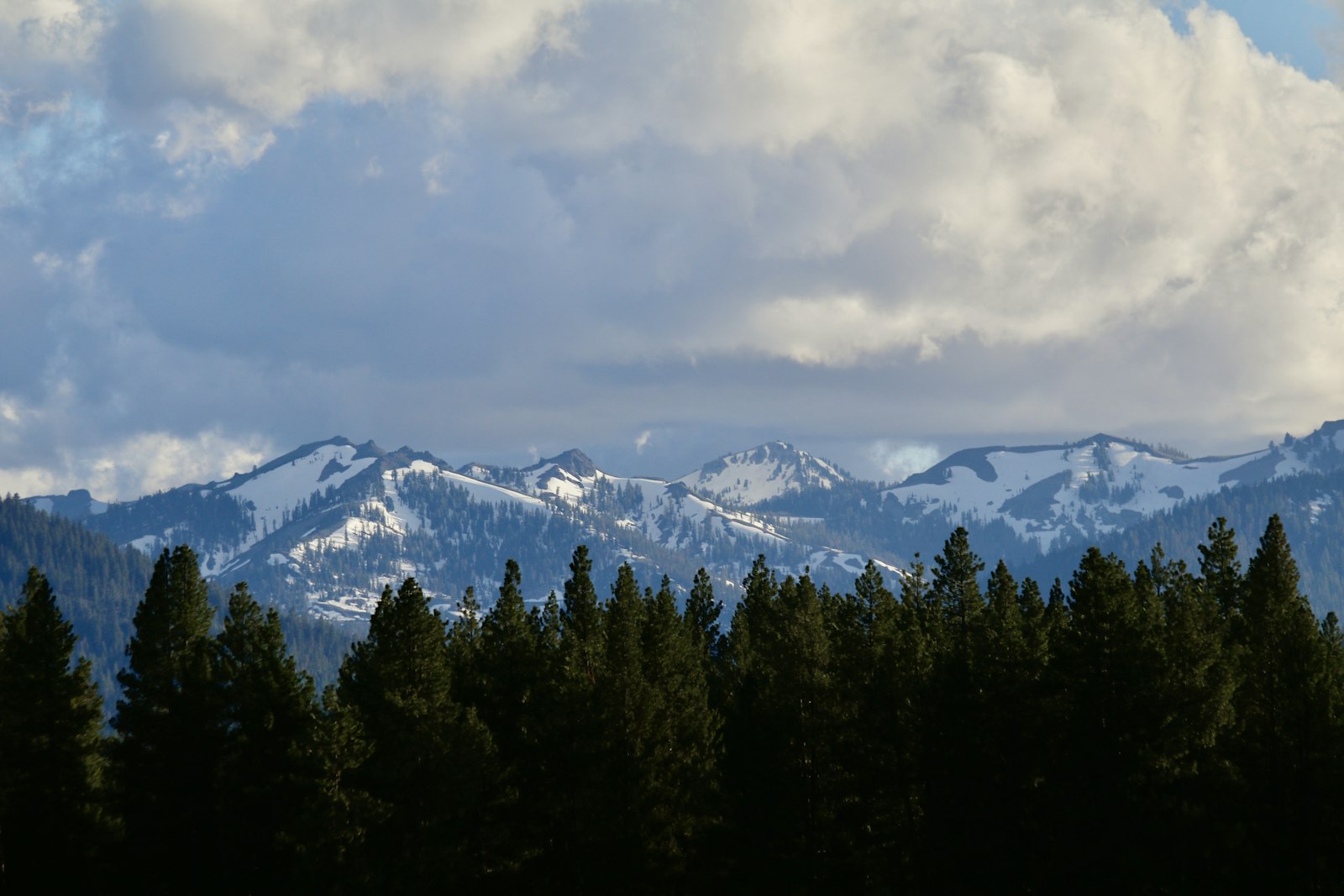
Several of those fires burned close to home for us in the Sierra foothills: the Caldor Fire forced the evacuation of South Lake Tahoe, the River Fire burned near Colfax, and the Mosquito Fire burned in the canyons near Foresthill.
Part 2: How the insurance market responded
2017–2018: Decades of profit gone in two years
According to the Insurance Information Institute, California homeowners insurers paid out more than twice what they collected in premiums in both 2017 and 2018. Milliman estimated the two fire seasons wiped out roughly twice the combined underwriting profit of the previous 26 years. At the time, California rules required insurers to set rates based mostly on historical losses, so pricing couldn’t adjust to the new reality quickly.
2018–2020: Non-renewals spread across the WUI
The Department of Insurance tracked rising insurer-initiated non-renewals in the wildland-urban interface, then a 31% statewide jump from 2018 to 2019, concentrated in the highest-risk areas. Surplus lines policies and FAIR Plan policies climbed sharply. In 2018, the Legislature passed SB 824, creating one-year moratoriums on non-renewals near declared wildfires, which have been used dozens of times since.
2022–2023: The big carriers pause
Allstate paused new California homeowners policies in 2022, and in May 2023, State Farm, the state’s largest home insurer, stopped accepting new homeowners applications, citing construction costs, catastrophe exposure and reinsurance. Farmers limited new business. For many homeowners, especially in the foothills and mountains, the FAIR Plan became the only option.
2024: The Sustainable Insurance Strategy
Insurance Commissioner Ricardo Lara’s Sustainable Insurance Strategy let insurers use wildfire catastrophe models and the California net cost of reinsurance in their rates, in exchange for committing to write at least 85% of their statewide market share in wildfire-distressed areas. It was the biggest change to California’s insurance rules since Proposition 103 in 1988.
2025: The Palisades and Eaton fires
In January 2025, wind-driven fires tore through Pacific Palisades and Altadena, destroying more than 16,000 structures combined. They were among the most destructive fires in state history and by far the costliest, with insured losses estimated around $37.5 billion. The FAIR Plan needed a $1 billion assessment on its member insurers, the first in more than 30 years, and State Farm received an emergency rate increase.
2026: Early signs of a thaw, and higher costs
Nine new consumer protection laws took effect January 1, 2026. The FAIR Plan’s 29.1% average rate increase began applying to renewals on October 15. The Department of Insurance reported 696,562 FAIR Plan dwelling and commercial policies in force as of June 2026. At the same time, the Department reports a dozen homeowners insurance groups are now expanding in California, compared with none in 2025. That’s real movement, though far from a fully healthy market. Read more in New California Home Insurance Laws for 2026 and Why California Home Insurance Rates Are Going Up.
Part 3: Two markets, not one
Where California’s WUI is concentrated
The wildland-urban interface, or WUI, is where homes meet forest, brush and grassland. It isn’t spread evenly across the state:
- Sierra foothills and Gold Country: Nevada, Placer, El Dorado, Amador, Calaveras, Tuolumne, Mariposa, Madera, Butte and Yuba Counties. A very high share of homes here are in the WUI. Paradise is the classic example: the 2018 Camp Fire started in wildland and overran the town, destroying 18,804 structures, most of them homes.
- North Bay and wine country: Napa, Sonoma, Lake, Solano, Marin and Mendocino Counties, home of the Tubbs and Glass fires. In Marin alone, about 60,000 acres, roughly 18% of the county’s land, is WUI.
- The rest of the Bay Area: Contra Costa, Alameda (the Oakland and Berkeley hills), Santa Clara, San Mateo and Santa Cruz. Chapman University researchers found Bay Area counties have a higher proportion of residents in WUI areas, while Southern California has more WUI residents in total.
- Southern California: Los Angeles, Ventura, Orange, Riverside, San Bernardino, San Diego and Santa Barbara have the most WUI homes by raw count. The Palisades and Eaton fires, which destroyed more than 16,000 structures, swept through neighborhoods at the wildland edge.
- The far north and mountain counties: Shasta, Trinity, Siskiyou, Tehama, Plumas, Lassen and Humboldt. Population is lower, but much of it lives in the interface.
- The Central Valley floor: Sacramento, Stanislaus, Merced, Kings and similar counties have less WUI, mostly at their foothill and grassland edges.
Our specialty is the first two: the Sierra foothills and Gold Country, and the North Bay and wine country. That’s where we place homes every day, and where we know the carriers, the fire history and the communities.
The new normal in the wildland-urban interface
For homeowners in the WUI, wherever they live, the new normal looks like this:
- The FAIR Plan is a major player. In the highest-risk ZIP codes, roughly 41% of homes now carry a FAIR Plan policy, compared with about 4% in lower-risk areas.
- Underwriting is property by property. Wildfire scores, roof type, Zone Zero, defensible space, access and distance to the fire station all matter. See ISO Maps, FireLine and Brush Scores Explained.
- Mitigation is no longer optional. It can decide whether a carrier says yes. See our Zone Zero guide.
- Two policies are common: FAIR Plan plus a Difference in Conditions policy.
- Re-shopping every year matters, because carrier appetites are shifting as some return to wildfire areas.
The suburbs: a flatter market, but not untouched
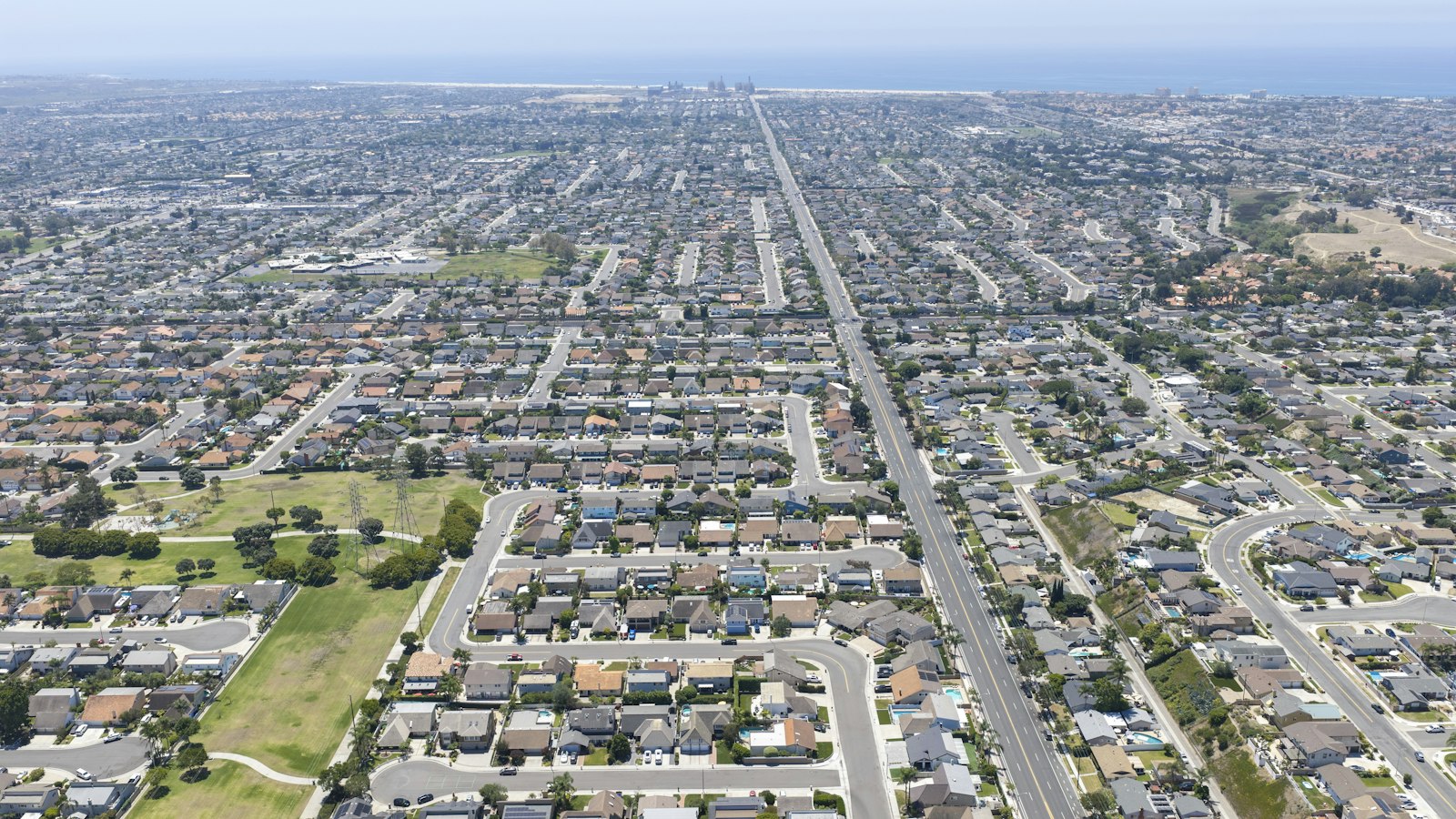
In many established suburban and valley neighborhoods, the market has stayed comparatively flat: more admitted carriers are still writing, non-renewal rates are lower and FAIR Plan use is far less common. But “flatter” doesn’t mean “unaffected”:
- Rates are rising statewide. Stanford researchers found average California premiums rose about 84% from 2020 to 2026. Catastrophe models, reinsurance costs and FAIR Plan assessments affect everyone’s rates, not just WUI homes.
- The line is blurring. The Eaton Fire burned deep into Altadena’s suburban streets, and our own 2009 49 Fire destroyed dozens of homes in North Auburn neighborhoods. Wind-driven embers don’t stop where the brush ends.
- Models see the urban edge more sharply now, so homes near open space, canyons or greenbelts can be rated very differently from homes a few blocks away.
- Underinsurance is a suburban risk too. Rebuild costs have climbed everywhere. See Are You Underinsured?
Part 4: What comes next? The debate over the foundation
In an October 2026 Newsweek opinion piece, an independent agency principal argues that California’s recent reforms are welcome but amount to scaffolding around a foundation built in 1988: Proposition 103’s prior-approval system. The author calls for modernizing rate review, expanding transparent use of catastrophe data, requiring disclosure of third-party litigation funding, and making consumer education part of the solution. The piece also makes the case that independent agents serve as advisers and translators for homeowners in a hard market.
Not everyone agrees about the foundation. Consumer advocates, including the authors of Prop 103, credit it with protecting Californians from excessive rates for decades and warn that weakening prior approval could raise prices without guaranteeing more coverage. Supporters of change argue that slow, history-based rate review helped push carriers out. That debate will shape California’s market for years.
Where we stand as a broker is practical: whatever the rules are, our job is to find every option for your home and explain it plainly. We agree with the op-ed on one point especially: in a hard market, a good independent agent is your advocate, not just a salesperson.
Part 5: What it means for you
If you live in the WUI
- Treat mitigation as part of your insurance: roof, vents, Zone Zero and defensible space.
- Document everything with dated photos and receipts.
- Know your options: admitted, non-admitted, and FAIR Plan with a DIC policy. See Admitted, Non-Admitted and the CA FAIR Plan.
- If you’re on the FAIR Plan, re-shop every year. See How to Get Off the California FAIR Plan.
- Shop 60 to 90 days before renewal, not the week before.
If you live in the suburbs
- Don’t assume you’re safe from rate increases, and review your policy every year.
- Check that your dwelling limit matches today’s rebuild cost.
- If you back up to open space, a canyon or a greenbelt, take Zone Zero seriously too.
- Lock in the right coverage while admitted options are available.
Find out which market your home is really in
A walk-through looks at your specific property the way carriers do, so you know exactly where you stand, whether you’re in the foothills or a suburban neighborhood next to open space.
Phil or a member of our team visits your property and looks at it the way insurance underwriters do, so you know where your home stands and what to do next.
- Reviews your home against carriers’ own underwriting guidelines
- Verifies your ISO mapping: the actual distance to the nearest fire station and hydrant
- Identifies and validates mitigation discounts, which are hard to sort out on your own
- Captures the photos and details carriers, and the FAIR Plan if needed, require up front
- Gives you clear next steps to put your home in its best position for coverage
Realtors: listing a home? We can complete a walk-through before you list and send the results to you directly to present to your seller, so insurance answers are ready when a buyer is.
This is an insurability review only. It isn’t a home inspection, an appraisal or a fire agency defensible space inspection.
Book a Walk-Through Email phil@gold.insureOur promise, in any market
- We shop admitted carriers first, every time.
- We show you every option we find: admitted, non-admitted, and FAIR Plan with a DIC policy, with the pros, cons and real costs.
- We tell you who’s behind each policy: the carrier, how it’s backed and how it’s rated.
- We don’t stop looking. If today’s best option is the FAIR Plan or a non-admitted carrier, that’s a starting point, not where we finish. We keep re-marketing your home until competitive admitted options return, and we move you when they do.
Wherever your home sits, from the foothills to the suburbs, let’s make sure you have the best coverage available. Book a 30-minute review with me or request a free quote. Current clients with questions about an existing policy or renewal can reach our service team at team@gold.insure.
Sources
- Newsweek: California’s insurance crisis needs a new foundation (Oct. 2026)
- CAL FIRE: Top 20 Most Destructive California Wildfires
- Triple-I: California’s insurers still feel impact of 2017–2018 wildfires
- Milliman: Wildfire catastrophe models could spark the changes California needs
- California Department of Insurance: 2019 non-renewal data
- California Department of Insurance: Sustainable Insurance Strategy
- Society of Actuaries: California wildfires of January 2025
- Insurance Business: FAIR Plan rate hike adds to homeowners’ strain
- Resources for the Future: Insurance availability under increasing wildfire risk
- Fire Safe Marin: Wildland Urban Interface
- Chapman University: Communities at risk along California’s WUI (2022)
- United Policyholders: Inside California’s home insurance squeeze
Phil is President of Gold Insurance Solutions and has led the agency through California’s home insurance crisis. He and his team specialize in placing homes in wildfire country across the Sierra foothills, Gold Country and the North Bay, shopping every carrier option and never stopping until clients are back with an admitted carrier.
Book a call with PhilSpecialists in California’s wildland-urban interface, where homes meet forest, brush and grassland.
Phil Irwin, President, Gold Insurance Solutions. CA License #6000540. General information as of October 2026, not legal advice. Coverage and pricing vary by carrier and home.