
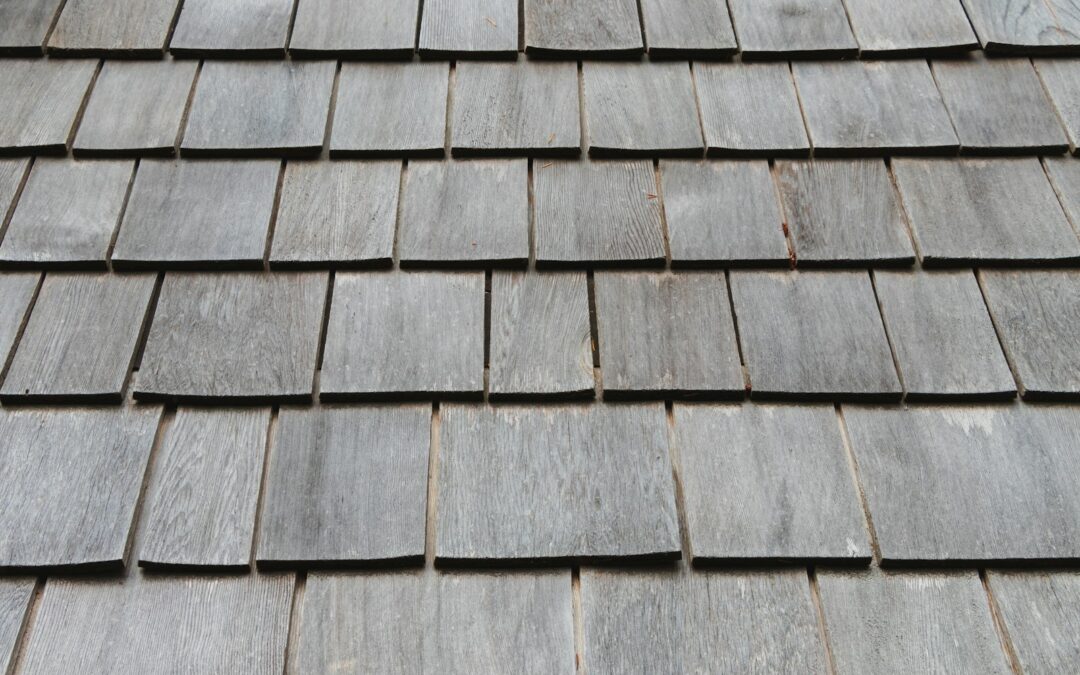
If there’s one part of your home California insurers care about most, it’s the roof. It’s your home’s first defense against wind-blown embers in a wildfire and against water in a winter storm, and it’s one of the most common reasons homes are declined, non-renewed or moved to the FAIR Plan.
Here’s how insurers look at your roof, and what to do about it.
Why your roof matters so much
- Wildfire: Embers land on roofs and in gutters. A fire-resistant, well-maintained roof is one of the most important wildfire protections a home can have.
- Water: Older roofs leak, and water damage is one of the most frequent home insurance claims.
- Cost: A roof is expensive to replace, so its age and condition affect how much risk an insurer takes on.
What insurers look at
- Material and fire rating. A Class A fire-rated roof is the standard insurers want in California wildfire areas. Untreated wood shake roofs are among the hardest to insure.
- Age. How old the roof is compared to the expected life of its material.
- Condition. Many carriers use aerial imagery to spot wear, missing shingles, moss, debris or patches. Some send inspectors.
- Documentation. When it was installed, by whom, with what material, and whether it was permitted.
If your roof is older
- Find your roof’s age. Check permits, receipts, home inspection reports or ask the roofer who installed it.
- Keep it clean and maintained. Clear needles, leaves and debris from roofs and gutters, especially in the foothills and Tahoe.
- Fix problems now. Replace missing shingles and repair flashing before an inspection or aerial image catches it.
- Talk to us before you replace it. We can tell you what material and documentation carriers want, so the new roof does the most for your insurability.
Replacing your roof? Get the most insurance value from it
- Choose a Class A fire-rated roof. California building rules generally require Class A roofing in high fire hazard areas. Check with your local building department.
- Add ember-resistant features like metal gutter guards and ember-resistant vents while you’re at it.
- Pull a permit and keep the final inspection, invoice and product information.
- Send the documentation to us so your insurer updates your roof age and you get any credits.
- Look for help paying for it. California’s new Safe Homes Act (AB 888) creates a grant program to help qualifying homeowners with fire-safe roofs. See New California Home Insurance Laws for 2026.
Roof and your claim
Insurance covers sudden damage, like a tree falling on the roof or wind tearing off shingles, not wear and tear. A leak from a roof that has simply worn out often isn’t covered. Read more in Fall Home Prep for California Homeowners.
Not sure how carriers will see your roof?
A walk-through includes your roof’s age, material and condition through each carrier’s underwriting lens, so you know whether it’s helping or hurting before you shop or renew.
Phil or a member of our team visits your property and looks at it the way insurance underwriters do, so you know where your home stands and what to do next.
- Reviews your home against carriers’ own underwriting guidelines
- Verifies your ISO mapping: the actual distance to the nearest fire station and hydrant
- Identifies and validates mitigation discounts, which are hard to sort out on your own
- Captures the photos and details carriers, and the FAIR Plan if needed, require up front
- Gives you clear next steps to put your home in its best position for coverage
Realtors: listing a home? We can complete a walk-through before you list and send the results to you directly to present to your seller, so insurance answers are ready when a buyer is.
This is an insurability review only. It isn’t a home inspection, an appraisal or a fire agency defensible space inspection.
Book a Walk-Through Email phil@gold.insureLet’s talk about your roof
Planning a new roof or worried about an older one? Let’s talk before you decide. Book a 30-minute review with me or request a free quote. Current clients with questions about an existing policy or renewal can reach our service team at team@gold.insure.
Specialists in California’s wildland-urban interface, where homes meet forest, brush and grassland.
Phil Irwin, President, Gold Insurance Solutions. CA License #6000540. General information as of October 2026, not legal advice. Coverage and pricing vary by carrier and home.