
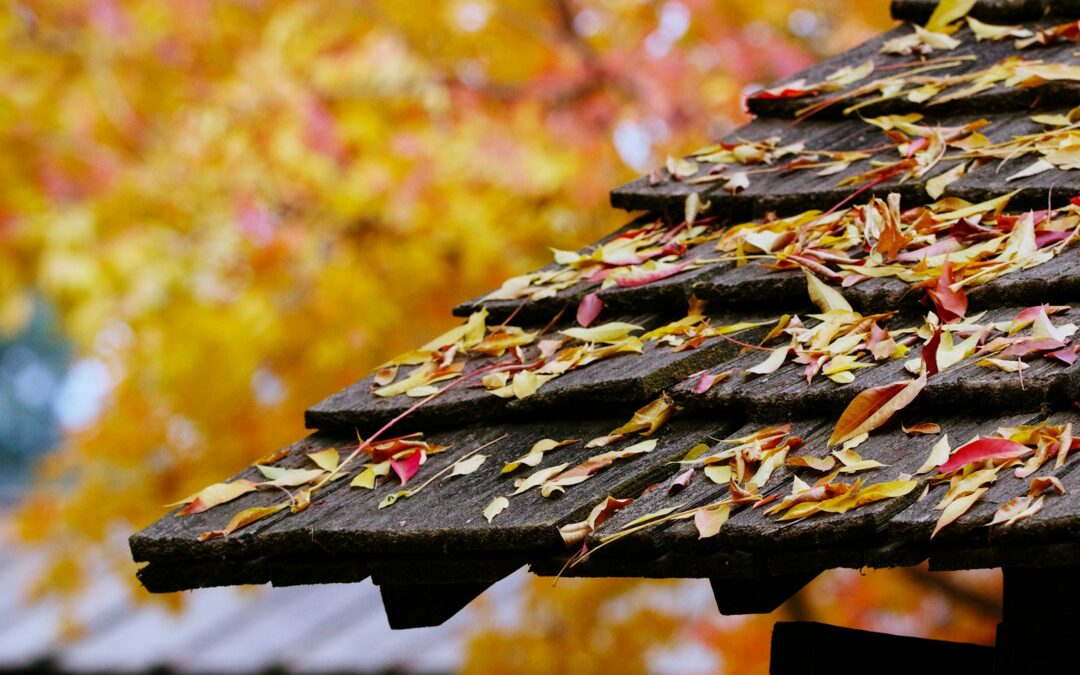
In much of the country, fall means pumpkin spice and raking leaves. In California, it means something more serious: the heart of wildfire season, the Diablo winds, possible Public Safety Power Shutoffs, and then, almost overnight, the first big atmospheric river storms. Up in the Sierra, it means the first freeze and snow.
A little preparation now protects your home, your family and your insurance record. Here’s my California Fall checklist, from an insurance point of view.
1. Clean your roof and gutters
Fall is when pine needles and leaves pile up on roofs and in gutters across the foothills and Tahoe. That debris is a double threat in California: it’s fuel for wind-blown embers during fire season, and it blocks drainage when the rains arrive. Clogged gutters can push water under roofing and into walls and ceilings.
- Clear roofs and gutters, and repeat after big wind events.
- Consider metal gutter guards, which help with both embers and drainage.
- Have the roof inspected if it’s older. Missing or cracked shingles are easiest to fix before the first storm.
Insurance angle: Policies cover sudden damage, not wear and tear. A roof leak from a storm may be covered; a leak from an old, failing roof often isn’t. Roof age and condition are also major factors when California carriers decide whether to renew a home.
2. Stay wildfire-ready: fire season isn’t over
In Northern California, some of the most destructive fires have come in the fall, driven by dry, gusty Diablo winds. Don’t let your guard down after Labor Day.
- Keep the five feet around your home clear of mulch, leaves and firewood. See our Zone Zero guide.
- Maintain defensible space out to 100 feet: dead vegetation, dry grass and low branches.
- Move firewood piles at least 30 feet from the house as you stock up for winter.
- Sign up for your county’s emergency alerts and know your evacuation zone.
- Update your home inventory by walking through every room with your phone and recording a video. Store it in the cloud.
Documented mitigation can also earn discounts under California’s Safer from Wildfires program. Take dated photos of your work.
3. Prepare for Public Safety Power Shutoffs
During high-wind events, utilities may cut power to reduce wildfire risk. That’s a fact of life in much of Northern California.
- Never run a portable generator indoors or in a garage, and never plug one into a wall outlet (backfeeding endangers utility workers). Have a permanent standby generator installed by a licensed electrician with a proper transfer switch.
- Keep flashlights, batteries, water, medications and a charged power bank ready.
- Know how to open your garage door manually.
Insurance angle: California law says additional living expense coverage doesn’t apply to a power shutoff by itself, and food spoiled during a PSPS often isn’t covered either. Some carriers offer a refrigerated property endorsement, so ask if it matters to you.
4. Get ready for the first big storms
California’s rainy season can arrive fast and hard. Atmospheric rivers can drop inches of rain in a day.
- Make sure downspouts carry water at least several feet away from the foundation.
- Clear storm drains and culverts on your property.
- Check that the ground slopes away from your house.
- Test your sump pump if you have one.
- Trim or remove dead and leaning trees before the wind and rain. A healthy tree is far less likely to fall.
Flood and mudflow are not covered by a standard policy
This is the big one. Standard California homeowners policies exclude flood and earth movement, and the FAIR Plan doesn’t cover flood either. If you live downhill from a recent burn scar, mudflow and debris-flow risk can be high for several years after a fire. A flood insurance policy covers flood and mudflow, but National Flood Insurance Program policies generally have a 30-day waiting period. Don’t wait until a storm is in the forecast.
5. Service your heating system and chimney
Heating equipment is one of the leading causes of home fires when the weather turns cold.
- Have your furnace serviced and replace filters.
- Have wood stoves and fireplace chimneys inspected and cleaned every year, especially in foothill and mountain homes that rely on them.
- Keep space heaters at least three feet from anything that can burn, and turn them off when you leave the room or go to sleep.
- Store ashes in a metal container with a lid, away from the house, and never in a garage or near a woodpile.
Insurance angle: Tell us if you’ve added a wood stove or pellet stove. Many California carriers ask about them, and an undisclosed stove can complicate a claim.
6. Protect your pipes, especially in the Sierra
If your home is in Tahoe, Truckee, Grass Valley, Nevada City, the Placer County foothills or anywhere freezing nights are common:
- Insulate exposed pipes in crawl spaces, garages and exterior walls.
- Disconnect garden hoses and cover outdoor spigots.
- Keep the heat on (at least 55°F is a common guideline) if you travel or the home is a second home.
- Know where your main water shutoff is, and consider a smart leak detector or automatic shutoff valve.
- Prepare for heavy snow: know your roof’s snow-shedding areas and keep roof valleys and vents clear.
Insurance angle: A pipe that bursts suddenly is generally covered, but many policies won’t pay for freeze damage in an unoccupied home unless you kept the heat on or drained the system. For second homes and cabins, read this part of your policy carefully.
7. Test smoke and carbon monoxide alarms
Use the end of daylight saving time as your reminder. Test every smoke alarm and replace batteries. California law requires carbon monoxide alarms in homes with fuel-burning appliances, fireplaces or attached garages, so make sure yours work. Monitored alarms may also earn an insurance credit.
8. Review your policy before winter
- Check your dwelling limit against today’s rebuild costs.
- Confirm your deductible and know whether any separate deductible applies. See How Your Home Insurance Deductible Works.
- Check your Loss of Use limit. See Loss of Use Explained.
- Consider water backup coverage and a flood policy.
- Make sure an ADU, wood stove or remodel is on your policy.
Let’s get your home ready for the season
A quick policy review before the storms arrive is one of the best things you can do for your home. Book a 30-minute review with me or request a free quote. Current clients with questions about an existing policy can reach our service team at team@gold.insure.
Specialists in California’s wildland-urban interface, where homes meet forest, brush and grassland.
Phil Irwin, President, Gold Insurance Solutions. CA License #6000540. General information only. Your policy wording controls, and coverage varies by carrier and policy form.